
Durban July 2026 and the Business of Cultural Relevance
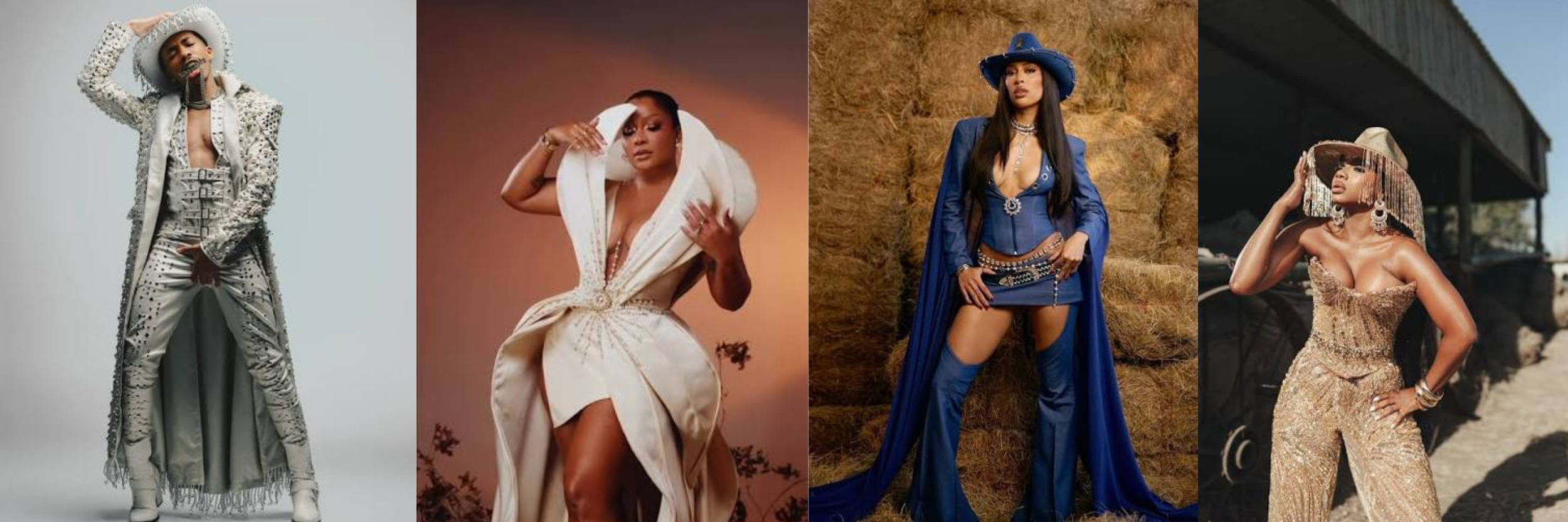
Durban July 2026 race-day fashion - Lasizwe Dambuza, Boity Thulo, Sarh Langa and Pamela Mtanga
There are events that fill a calendar, and then there are events that hold a country’s attention. The Durban July belongs to the second group.
Every year, South Africans know what is coming before the first horse leaves the starting gate. The hats will rise. The cameras will flash. The fashion will divide opinion before it earns admiration. Hospitality suites will become networking rooms. Social media will turn into a moving runway. For one day, sport, luxury, culture, celebrity, tourism, design and corporate South Africa all gather in the same frame.
The 2026 edition carried the theme “Country Allure,” and it gave brands a lesson that is easy to miss if they only looked at the surface. Note To Self may have won on the track, but the bigger race for brands was happening everywhere else: in conversations, in photographs, in media stories, in client lounges, in influencer content, in the small details people remembered once they got home.
That is the business of cultural relevance.
The brands people remember are the ones that understand the room
A major event does not automatically make a brand interesting. It only gives the brand a stage. Durban July is a perfect example. A logo on a wall can be seen. A meaningful brand presence can be felt. There is a difference.
The strongest brands do not arrive at events asking where they can place their signage. They ask what the audience came to experience, what mood the day carries, what kind of story already exists and where the brand can add something without forcing itself into the spotlight. That is why cultural moments need proper marketing strategy. Not last-minute branding. Not a rushed guest list. Not a social post written from the car on the way to the venue. A real strategy.
For a luxury brand, Durban July might be about elegance and exclusivity. For a bank, it might be about access, hospitality and high-value client relationships. For a fashion brand, it might be about African creativity and emerging designers. For a lifestyle brand, it might be about aspiration, belonging and social currency.
The event is the same. The opportunity is different.
Visibility is not the same as presence
Many brands confuse being seen with being remembered.
At an event like Durban July, everyone is competing for attention. Guests are moving between marquees. Media teams are chasing angles. Creators are filming content. Executives are hosting clients. Celebrities are being photographed. The audience is already overstimulated.
A brand that only adds more noise disappears into the day. A brand that creates a feeling has a better chance of staying with people.
That feeling might come from a beautifully curated hospitality experience. It might come from a media moment that travels beyond the venue. It might come from an unexpected partnership with a designer, artist, chef or performer. It might come from a client experience that feels personal instead of transactional.
This is where experiential marketing becomes a serious business tool. The point is not simply to entertain people. The point is to make the brand easier to understand, easier to like and easier to remember.
Durban July is not one day of content. It is a campaign window.
The mistake many brands make is treating Durban July as a single-day activation. The better approach is to see it as a campaign with a beginning, middle and afterlife.
Before the event, there should be anticipation. Media teasers. Guest communications. Influencer partnerships. Designer collaborations. Thoughtful storytelling around why the brand is participating. On the day, there should be experience. Photography. Video. Media hosting. Client engagement. Social content. Real-time storytelling. After the event, there should be amplification. Event highlights. Media coverage. Customer follow-ups. Sales team assets. Leadership content. Social recaps. Learnings for the next cultural moment.
This is where event planning and management needs to work hand in hand with PR, digital, social and content. A beautifully produced event is good. A beautifully produced event that keeps working after the doors close is better.
Influence should be used with taste
Durban July is a natural home for influencer marketing, but influence at cultural events needs a lighter, smarter touch. The wrong creator partnership feels bought. The right one feels like part of the story.
Brands should not choose influencers only because they are popular. They should choose people who can interpret the moment in a way that matches the brand’s audience. A fashion creator can bring depth to the theme. A business voice can speak to premium networking and hospitality. A lifestyle personality can translate the mood of the day. A cultural commentator can place the event within South Africa’s wider creative economy.
That is the difference between hiring someone to post and building a campaign people want to follow.
Coral Communications’ influencer campaigns approach is built around fit, credibility and measurable impact. Influence should not be decoration. It should be direction.
The real lesson for South African brands
Durban July 2026 reminded us that South Africa does not lack world-class cultural platforms. What brands need is the discipline to use them properly.
A cultural event can build awareness, yes. But it can also deepen client relationships, create media value, grow digital reach, generate content, position leadership, attract partners and give the sales team a stronger story to tell.
That requires more than attendance. It requires intention.
The best brands do not simply show up where the cameras are. They show up with a point of view. They understand the audience. They respect the culture. They plan beyond the obvious. They create a presence that feels like it belongs.
That is how a brand moves from being seen to being remembered.
At Coral Communications, we help brands build campaigns that connect public relations, marketing, events, activations, influencer partnerships and digital strategy into one coherent story.
Because in a country rich with cultural moments, the opportunity is not only to join the conversation. It is to shape it.
If your brand is planning a high-impact activation, event or cultural campaign, contact Coral Communications to build a presence worth remembering.

